Understanding Brain Fog: Causes and Symptoms
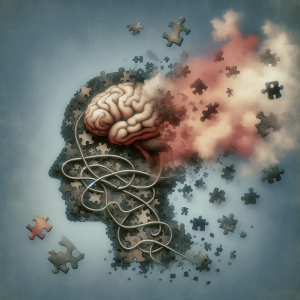 Have you ever felt like your brain is wrapped in a thick cloud, making it hard to think clearly, remember simple things, or focus on tasks? This feeling is commonly called brain fog. Brain fog is not a disease, but a set of symptoms that can make your mind feel slow, fuzzy, and tired. It’s like trying to see through a window covered in mist—things just aren’t as clear as they usually are. Anyone can experience brain fog at different times, and it can affect many parts of your thinking, like your attention, memory, and mental speed.
Brain fog can make everyday tasks seem harder. You might find it tough to concentrate in school or at work, forget appointments, or have trouble making even small decisions. It can drain your energy and sap your motivation, making it feel like your brain is running on empty. But the good news is, understanding brain fog is the first step to managing it and improving how you feel.
There are many reasons brain fog happens. Sometimes it’s caused by medical conditions like recovering from an illness or hormone changes. Other times, it comes from lifestyle factors like poor sleep, stress, or what you eat. Often, these causes mix together. This lesson will help you learn what brain fog feels like, what might be causing it, and how to recognize your own personal triggers. By paying attention to your experiences, you can find ways to clear the fog and bring back your focus, energy, and motivation.
We’ll also explore how stress, anxiety, and depression affect your brain and add to brain fog, and when it’s important to get medical advice. Tracking your symptoms carefully can help you see patterns and understand what helps you feel better. With this knowledge, you can take control of your brain health through simple changes like better sleep habits, good nutrition, managing stress, and creating healthy routines.
This lesson is designed to support you if you’ve been feeling mentally slow or confused and want to find ways to improve your mental clarity and energy. By the end, you’ll be better equipped to handle brain fog and take steps toward a clearer mind, stronger focus, and more balanced mood. Remember, brain fog is a signal from your brain asking for care and attention, and with the right knowledge, you can support your brain to work well again.
Understanding Brain Fog: What It Means and How It Affects You
Brain fog is a way people describe when their thinking feels fuzzy, slow, or unclear. It is not a disease or a medical condition on its own. Instead, it is a set of feelings and experiences where your brain just doesn’t work the way it usually does. Imagine trying to look through a window covered in fog; things don’t seem sharp or clear. That’s similar to how brain fog feels inside your head.
People often say brain fog makes it harder to focus on tasks, remember things, or make simple decisions. You might feel like your thoughts are moving through thick mud or that your mind is tired and slow. This can make everyday activities, like reading, working, or even having a conversation, much more difficult than usual.
Brain fog is a common experience and can happen to almost anyone at different times. It can come and go or stay for a longer time depending on what’s causing it. It’s like your brain’s “check engine” light—signaling that something is making your thinking less clear, but not telling you exactly what the problem is.
How Brain Fog Shows Up in Your Thinking and Energy
When you experience brain fog, several parts of your thinking can be affected. These include:
- Attention: You might find it hard to keep your mind on one thing without getting distracted easily. For example, you could start reading a page in a book and realize you don’t remember a single word because your mind wandered off.
- Memory: Both short-term and working memory can feel weak. You might forget where you put your keys or struggle to recall a name you just heard.
- Thinking speed: Your brain can feel slower as you try to solve problems or make decisions. Tasks that used to be quick might take much longer.
- Mental energy: You can feel mentally tired or drained, even if you have had enough sleep. This fatigue makes it harder to perform tasks that require concentration or creativity.
These feelings don’t mean your brain is broken, but it’s like it’s running on low power. Imagine trying to run a race with heavy shoes or swim through thick syrup; your brain has to work harder, and you get tired faster.
Why Brain Fog Happens: A Snapshot Inside Your Brain
Brain fog can come from many different reasons. Often, it is linked to changes or imbalances in how your brain works. Here are some ways brain fog can affect your brain:
- Slower processing: Your brain may take longer to understand and respond to information. This is like your computer running many programs at once and slowing down because it can't handle all the tasks quickly.
- Lower attention control: Your brain’s ability to focus on important things while ignoring distractions weakens. It’s like trying to listen to your teacher in a noisy room—hard to stay on track.
- Memory hiccups: The parts of the brain that store and recall information don’t work as easily. This leads to forgetting things or feeling like you can’t remember anything clearly.
- Mental fatigue: Just like muscles get tired after exercise, your brain can get tired if you push it too hard without rest. This tiredness can make everything feel more difficult.
Scientists also believe inflammation and changes in hormones can play a role. Inflammation is when your body’s defense system reacts to something, like an infection or injury, and it can affect how well your brain works. Hormones are chemical messengers in your body that help control mood, energy, and thinking. When hormone levels go up or down, your thinking can become fuzzy.
The Real-Life Impact of Brain Fog on Daily Life
Brain fog doesn’t just make your brain feel tired; it can change how you live your day. Here are some examples of how brain fog might affect you:
- School or work challenges: You might find it harder to pay attention in class or at meetings. Tasks that used to be easy, like solving math problems or writing an email, may now take more time and effort.
- Forgetfulness: Missing appointments, forgetting homework, or losing track of what you were going to say during a conversation.
- Decision-making struggles: Even small choices, like what to wear or what to eat, might feel overwhelming because your brain is tired and slow.
- Lower motivation and creativity: When your brain is foggy, it’s harder to feel excited about projects or come up with new ideas. You may feel stuck or bored more easily.
- Emotional changes: Brain fog can make you feel frustrated, irritable, or worried because of difficulty thinking clearly and completing tasks.
For example, imagine trying to do a puzzle when the pieces are all blurry and fuzzy. It’s frustrating and takes much longer to finish. This is how brain fog can make daily tasks feel harder and more tiring.
Brain Fog and Its Different Faces in Various Situations
Brain fog is not the same for everyone. It can show up differently depending on what is causing it and a person’s unique situation. Some common situations where brain fog appears include:
- After illness or infection: People recovering from viruses, like COVID-19, often experience brain fog that lasts for weeks or months. It feels like the brain is still healing and needs extra time to work well again.
- During hormonal changes: Changes in hormone levels during pregnancy, menopause, or thyroid problems can cause brain fog. These changes can affect memory and concentration temporarily.
- When under stress or lack of sleep: Long periods of stress or not getting enough restful sleep can make your brain tired and slow down thinking.
- With chronic illnesses: Conditions like chronic fatigue syndrome, fibromyalgia, or autoimmune diseases can make brain fog a regular challenge, affecting thinking and memory.
Even though brain fog feels similar in these situations, the underlying causes can be very different. That is why it’s important to look at the full picture of each person’s health and lifestyle to understand what might be making their brain fog worse.
How Brain Fog Differs from Other Memory and Thinking Problems
Sometimes, people worry that brain fog might be early dementia or serious memory loss. It’s important to know that brain fog is usually temporary and does not mean you have dementia or permanent brain damage.
Dementia is a medical condition where thinking and memory problems get worse over time and start to affect daily life in a very serious way. Brain fog, on the other hand, is a temporary feeling of mental cloudiness, often caused by things like tiredness, stress, or illness.
For example, if you forget where you put your homework once in a while because you are tired, that is brain fog. But if you forget the names of close family members or how to do basic daily tasks, doctors would consider conditions beyond brain fog.
Why Understanding Brain Fog Matters
Recognizing what brain fog feels like and how it affects your life is the first step to managing it. By knowing that this feeling is common and usually linked to other things happening in your body, you can take steps to improve your brain health and daily function.
Brain fog sends a signal that your brain needs support—whether through better sleep, less stress, balanced hormones, or medical help for underlying conditions. When you listen to these signals and take care of your brain, you can feel clearer, more focused, and ready to tackle daily challenges.
Common Symptoms of Brain Fog
Brain fog is a term people use when their thinking feels fuzzy or unclear. It is not a disease but a group of symptoms that can make daily tasks feel harder. These symptoms affect how well you focus, remember things, and make decisions. Understanding these signs can help you notice when brain fog is affecting you and find ways to manage it.
People with brain fog often describe their mind as if it is wrapped in a thick cloud or moving slower than usual. This feeling can make it difficult to think clearly or quickly. Brain fog symptoms can come and go, and they may feel different for each person, but certain common signs appear often.
- Difficulty Concentrating: One of the most common symptoms is trouble focusing on tasks or conversations. For example, you might find it hard to pay attention during a class or while reading a book. Distractions that were easy to ignore before can seem overwhelming. Your brain may wander or lose track of what you were trying to do.
- Forgetfulness and Memory Problems: Brain fog can cause you to forget simple things, like where you put your keys or what you had for breakfast. You might also struggle to remember recent events, like conversations from earlier in the day or appointments you scheduled. This forgetfulness feels different from normal occasional lapses; it happens more often and can be frustrating.
- Slow Thinking: Your brain may feel like it is working at a slower speed. This can make simple tasks take longer than usual. For example, solving a math problem or answering a question might require more effort and time. You might notice that you need to reread a sentence several times before understanding it fully.
- Confusion and Mental Disorganization: Brain fog can cause your thoughts to feel jumbled or fuzzy. You might find it hard to follow instructions or make decisions. For example, when faced with choices like what to eat or how to complete a task, your mind might feel overwhelmed or unclear, making decision-making harder than normal.
- Feeling Overwhelmed by Information: Trying to process too much information at once can lead to feeling overloaded. For instance, when you try to multitask, your mind might struggle to keep up, causing stress and fatigue. This symptom makes multitasking or learning new things more challenging.
- Trouble Finding the Right Words: Sometimes, brain fog makes it difficult to find the right words when you are speaking or writing. You might know what you want to say but struggle to express it clearly. This can lead to pauses in conversation or using simpler words than usual.
- Mental Fatigue: Even after doing small mental tasks, you may feel unusually tired or drained. This mental exhaustion can make it difficult to stay alert or motivated throughout the day. Unlike physical tiredness, mental fatigue affects your ability to think and focus.
- Difficulty with Multitasking and Planning: Brain fog can make it hard to juggle more than one task at a time. You might find it tough to plan your day, organize activities, or solve problems that require several steps. This can make everyday life feel more complicated than usual.
To help understand these symptoms better, imagine your brain is like a computer. When everything is working well, programs run smoothly, and you can do multiple things at once. With brain fog, it’s like the computer has many windows open, using up memory, making it slow and glitchy. This is why you feel confused, can’t focus, or forget things easily.
These symptoms can vary in how strong they feel and how long they last. For some people, brain fog lasts only a few hours or days, especially if it is caused by tiredness or stress. For others, brain fog may be a longer-lasting problem, often linked to health conditions like recovering from an illness.
Brain fog can affect many parts of your life, making school, work, and social activities harder. It can cause frustration and lower your confidence, especially if you are used to thinking quickly and clearly. Recognizing these symptoms means you can begin to find ways to improve your mental clarity and feel better.
Medical Factors Behind Brain Fog
Brain fog is a term people use to describe feeling confused, forgetful, or having trouble concentrating. Sometimes, this foggy feeling comes from health problems inside the body. These are what we call medical causes. Doctors and scientists have found many medical reasons why brain fog happens, and some of these reasons are linked to illnesses or changes in the body’s systems.
One big medical cause is called long COVID. This happens after someone has had COVID-19, even after the main sickness goes away. Many people with long COVID say their brain feels fuzzy, and they have a hard time thinking clearly or remembering things. Scientists believe this happens because the body’s immune system stays activated for a long time, causing inflammation in the brain. Inflammation means the brain gets swollen or irritated, which makes it harder to think well. Also, changes in brain chemicals like dopamine and serotonin, which help us think and feel, might be out of balance during long COVID.
Another medical cause is when the body’s hormones are not balanced properly. Hormones are chemicals in the body that tell organs what to do. For example, during menopause, women have less estrogen, a hormone that helps keep the brain sharp. This drop in estrogen can cause brain fog. Similarly, if someone has hypothyroidism, their thyroid gland doesn’t make enough hormones. This shortage can reduce brain size in some areas and slow down thinking.
Brain injuries can also cause brain fog. When the brain is hurt, it might not work the same way. Hormones like growth hormone, which helps repair the brain, might be low, leading to sluggish thinking and memory problems. Chronic illnesses like Chronic Fatigue Syndrome (CFS) or myalgic encephalomyelitis involve long-lasting tiredness that doesn’t go away with rest. This condition often comes with brain fog, possibly because of poor sleep, inflammation, or less blood flow to the brain.
Some vitamin deficiencies can cause brain fog. For example, vitamin B12 is important for brain health. People who do not get enough B12, especially vegans who don’t eat animal products, might feel confused or tired. Other medical causes include sleep apnea, where breathing stops and starts during sleep, leading to poor rest and foggy thinking.
Certain medicines can also cause brain fog as a side effect. Pain medicines, especially stronger prescription drugs, and some over-the-counter sleep aids can make the brain feel slow or cloudy. This is why it’s important to talk with a doctor if you notice brain fog after starting a new medicine.
Lifestyle Factors That Can Cause Brain Fog
Besides medical reasons, brain fog can also come from the way we live our daily lives. These lifestyle causes can often be changed or improved to help clear the fog. Here are some of the main lifestyle factors that affect brain clarity:
- Sleep problems: Sleep is very important for the brain to work well. If you don’t get enough sleep or your sleep quality is poor—for example, if you snore or have insomnia—your brain may not get the rest it needs. This lack of sleep makes it hard to concentrate, remember things, or stay alert. Following a regular bedtime routine and making your sleep environment calm and dark can improve sleep and reduce brain fog.
- Diet and nutrition: What you eat affects your brain. Diets that are high in sugar and processed foods can cause blood sugar spikes and drops, which make you feel tired and confused. On the other hand, eating whole, natural foods like fruits, vegetables, nuts, and foods rich in omega-3 fatty acids (like fish and walnuts) can help your brain stay sharp. Drinking enough water is also crucial because the brain is mostly water and needs to stay hydrated to work well. Even mild dehydration can make your thinking fuzzy.
- Physical activity: Exercise is not only good for your body, it’s great for your brain too. Moving your body helps improve blood flow to the brain, delivers oxygen and nutrients, and supports brain function. Studies show that even small bursts of exercise throughout the day can help improve focus, memory, and processing speed, helping clear brain fog. Sitting for long periods without moving can make brain fog worse.
- Stress and anxiety: When you feel stressed all the time, your body produces a hormone called cortisol. While cortisol helps in short bursts, too much of it can harm your brain, especially memory and attention. Chronic stress can keep your brain in a “high alert” mode, making it hard to focus on tasks because your mind is distracted by worries. Managing stress through relaxation techniques, hobbies, or talking to someone can help ease brain fog.
- Gut health: Your gut and brain are connected through something called the gut-brain axis. The gut has its own nervous system and sends messages to the brain. If your gut is unhappy—because of things like harmful bacteria overgrowth or food intolerance—it can send signals that confuse the brain and cause foggy thinking. Eating a diet rich in fiber and probiotics (good bacteria) can support a healthy gut and help your brain feel clearer.
All these lifestyle factors show that brain fog is often linked to how we live daily. The good news is, many of these causes can be managed by making healthy choices and habits.
How Medical and Lifestyle Causes Sometimes Work Together
Brain fog often comes from a mix of medical and lifestyle causes. For instance, someone might have a medical condition like hypothyroidism, which slows down the brain, and also poor sleep habits that make the fog worse. Another example is a person recovering from COVID-19 who experiences brain fog due to inflammation but also has anxiety and stress that add to the trouble concentrating.
Because of this, doctors suggest looking at the whole person when trying to understand brain fog. Fixing just one thing might not clear the fog completely. Instead, treating medical problems while improving lifestyle habits like diet, exercise, and sleep can work better.
It’s like trying to clear a cloudy window. If you only wipe one side and leave the other side dirty, you still won’t see clearly. But cleaning both sides makes the view sharp. The brain works the same way—it needs help from both medical treatment and healthy living to feel clear and sharp again.
When brain fog lasts a long time or is very bad, it’s important to see a doctor. They can check for medical causes that might need treatment, like vitamin deficiencies or hormone problems. At the same time, they can recommend lifestyle changes that support brain health. This combined approach gives the best chance to beat brain fog and feel mentally strong again.
How Brain Fog Differs from Other Cognitive Issues
When people talk about brain fog, they often mean feeling mentally cloudy, forgetful, or slow. But brain fog is different from other kinds of cognitive issues like mild cognitive impairment, dementia, or more serious brain conditions. Understanding these differences can help you know when brain fog is temporary and when it might be something that needs medical attention.
Let’s think about brain fog as if your brain is like a computer. Sometimes, the computer runs slowly or gets stuck because there are too many programs open, or it might need a restart. Brain fog works in a similar way—it makes your thinking fuzzy, but usually, you can still do your daily tasks, and the feeling can come and go. Other cognitive problems are more like the computer having a serious hardware failure; they cause lasting damage that makes it hard to do normal activities.
Temporary vs. Lasting Effects
Brain fog is usually temporary. It happens when your brain isn’t working as well as it normally does, but it can improve with rest, less stress, better sleep, or after changes like menopause settle down. This foggy feeling might come because of hormones shifting, feeling tired, being stressed, or missing some important vitamins in your diet.
For example, during menopause, many women experience brain fog because their hormone levels, especially estrogen, change a lot. Estrogen helps protect brain cells, so when it goes up and down, it can cause forgetfulness or trouble focusing. But these symptoms often get better after some time.
On the other hand, other cognitive problems like mild cognitive impairment (MCI) or dementia are usually long-lasting and get worse over time. People with these conditions might have trouble with memory, decision-making, or completing everyday tasks. These problems are not just occasional moments of forgetfulness; they are consistent and affect daily life.
Impact on Daily Life
One of the main ways to tell brain fog apart from other cognitive issues is by how much it affects your daily activities. Brain fog might make it hard to concentrate or remember things sometimes, but it doesn’t stop you from managing your work, household, or social life.
For example, someone with brain fog might forget where they put their keys once or twice or lose their train of thought during a conversation. But they can usually still complete their tasks and take care of themselves.
In contrast, people with dementia or MCI might struggle to do simple things they used to do easily, like paying bills, cooking, or even getting dressed. They might also get confused about time or place, or have trouble understanding conversations. These problems become more noticeable and interfere with independence.
Range of Symptoms
Brain fog mainly causes feelings of mental cloudiness, forgetfulness, and slow thinking. It might make it harder to focus or find the right words, but it usually doesn’t cause big changes in personality or mood. The symptoms often come in short bursts and improve with rest or reducing stress.
Other cognitive issues, like early dementia or MCI, bring a wider range of symptoms. These can include:
- Confusion about time or place (for example, not knowing what day it is or where you are)
- Changes in personality, such as becoming withdrawn or irritable
- Difficulty judging distances or navigating familiar places
- Consistent problems using language, like trouble speaking or writing
- Problems completing familiar tasks at home or work
- Mood changes such as depression or anxiety that are more serious and persistent
These symptoms tend to get worse over time in dementia, while brain fog symptoms usually improve.
Causes and Triggers
Brain fog can be caused by many things that affect your brain’s ability to think clearly. Common causes include:
- Hormone changes, like during menopause or thyroid problems
- Stress and anxiety
- Lack of sleep
- Vitamin deficiencies, especially vitamin B12
- Certain medications that cause side effects
- Recovering from illnesses like COVID-19 or head injuries
Most of these causes are temporary or treatable. When the underlying cause is addressed, brain fog usually clears up.
Other cognitive issues like dementia are caused by diseases that damage brain cells permanently, such as Alzheimer’s disease or vascular dementia. These conditions usually happen in older adults, but younger onset dementia can occur, though it is rare.
Memory and Thinking Speed
With brain fog, your memory problems are usually mild and short-term. You might forget an appointment or lose your train of thought, but you can often remember things later or with a little help, like making lists or using reminders.
In contrast, mild cognitive impairment or dementia involves more serious memory loss that affects your ability to live independently. For example, you might forget important events or struggle to learn new information. Your thinking speed might also slow down significantly and affect problem-solving or decision-making.
Emotional and Social Effects
Brain fog might make you feel frustrated or worried because you can’t think clearly. However, it usually doesn’t cause big changes in your social life or mood. You can still enjoy being with friends and family, and your personality stays the same.
Other cognitive problems can lead to social withdrawal or personality changes. People might become less interested in activities they used to enjoy or have trouble interacting with others. This often happens in dementia and can be a sign that the brain is more seriously affected.
Examples to Understand the Difference
Imagine two people: Sarah and Tom.
- Sarah sometimes feels foggy in her mind during menopause. She forgets small things like where she put her phone or what she was going to say. She feels tired and stressed, but after a good night’s sleep or a break, she feels better. She can still work, cook, and enjoy her hobbies.
- Tom, on the other hand, finds himself forgetting recent events regularly, like what he ate for breakfast or appointments he made. He gets lost driving to places he has visited many times before. His family notices he is more moody and less interested in social activities. Tom’s difficulties are constant and getting worse.
Sarah is likely experiencing brain fog, which is temporary and treatable. Tom’s symptoms suggest a more serious cognitive issue, like mild cognitive impairment or early dementia, which needs medical attention.
Importance of Medical Evaluation
If you or someone you know has memory or thinking problems, it’s important to talk to a healthcare professional. Brain fog itself is not a disease, but it can signal other health issues that need checking. Doctors can perform tests to see if the brain is working normally or if there might be an underlying condition.
Medical evaluations might include memory tests, brain scans, and blood tests to check for things like vitamin deficiencies or thyroid problems. Most people who worry about their brain health during times like menopause still perform well on these tests, showing that brain fog is not a sign of permanent damage.
Supporting Your Brain During Brain Fog
Since brain fog is often linked to lifestyle and temporary changes, there are many ways to help your brain work better. Some helpful steps include:
- Getting regular exercise to improve blood flow and brain health
- Practicing mindfulness or meditation to reduce stress
- Challenging your brain with puzzles, learning new skills, or hobbies
- Eating a healthy diet rich in fruits and vegetables
- Getting enough sleep every night
- Staying socially active and connected with friends and family
These habits support your overall brain function and can reduce the feeling of brain fog.
Recognizing Personal Triggers
Brain fog can feel like a cloudy or fuzzy feeling in your mind. It makes it hard to think clearly, focus on tasks, or remember things. But everyone’s brain fog is a little different because it can happen for many reasons. One important step to feeling better is learning to recognize your own personal triggers—these are things in your life that make your brain fog worse. When you know what causes your brain fog, you can work to avoid or manage those triggers, which helps your mind feel clearer and more alert.
Recognizing personal triggers means paying close attention to your body and your daily routines. Think of it like being a detective who wants to solve the mystery of what makes your brain fog appear or get worse. This section will help you understand how to find your personal triggers and why that’s helpful for you.
What Are Personal Triggers?
Triggers are certain things or situations that make a problem show up or get stronger. For brain fog, triggers can be anything that makes you feel more confused, tired, or forgetful. They are different for every person. Some people might get brain fog after not getting enough sleep, while others might notice it after eating certain foods or feeling very stressed.
Think of your brain like a car. If the car doesn’t get the right fuel, if it gets too hot, or if the driver is distracted, it won’t run smoothly. In this example, your personal triggers are things like bad fuel, heat, or distractions that cause your brain-car to slow down. Finding these triggers helps you take better care of your brain.
How to Notice Your Personal Triggers
Recognizing what sets off your brain fog takes careful watching of your daily life. Here are some ways to start noticing your triggers:
- Keep a Brain Fog Diary: Write down when you feel foggy in your head. Note what you did that day, what you ate, how much sleep you got, and how you were feeling.
- Look for Patterns: After a few days or weeks, look at your diary. See if there are common things happening before the foggy feeling starts. For example, maybe brain fog shows up after you skip breakfast or after a stressful event.
- Check Your Sleep: Notice if you feel foggy after nights when you didn’t sleep well. Poor sleep is a common trigger for many people.
- Notice Your Stress Levels: Pay attention to times when you feel anxious or overwhelmed. Stress and anxiety often bring on brain fog.
- Watch Your Diet: Certain foods or not eating enough can impact your brain. Write down what you eat and if brain fog follows meals or snacks.
- Observe Medication Effects: Some medicines can cause brain fog. If you start a new medication and notice fogginess, tell your doctor.
By paying attention to these details, you become more aware of what makes your brain fog worse. This is empowering because it gives you clues about what you can change in your life to feel better.
Common Personal Triggers to Consider
While everyone’s triggers are unique, here are some common ones that often cause brain fog. Think about whether any of these fit your situation:
- Not Enough Sleep: Sleep helps your brain rest and recharge. Without enough sleep, your brain feels tired and slow, making it hard to concentrate.
- Stress and Anxiety: Feeling worried or stressed uses up your brain’s energy. It’s like trying to think clearly while your mind is racing. This can make you feel foggy and unfocused.
- Dehydration: Not drinking enough water can zap your energy and make your brain work less well. Even mild dehydration affects your memory and attention.
- Poor Nutrition: Eating too much junk food or skipping meals means your brain doesn’t get the vitamins and fuel it needs. This can slow down your thinking.
- Medication Side Effects: Some medicines, like those for allergies, blood pressure, or depression, can cause brain fog as a side effect.
- Physical Illness or Injuries: When your body is fighting an illness like a cold or recovering from a head injury, your brain may feel foggy.
- Hormonal Changes: Changes in hormones, like during menopause or pregnancy, can cause brain fog for some people.
- Substance Use: Using alcohol, drugs, or even some prescribed medicines in ways that aren’t safe can affect how your brain works.
Think about each of these areas and whether you often feel brain fog after any of them. Remember, it’s about finding what applies to you personally.
Why It’s Important to Identify Your Triggers
When you know your brain fog triggers, you can take steps to reduce them or manage them better. This helps improve your focus, memory, and energy. Here’s why recognizing your triggers is valuable:
- Better Focus: Avoiding triggers helps your brain stay clear, so you can concentrate on your schoolwork, job, or daily tasks.
- Improved Memory: When brain fog is lighter, it’s easier to remember things like instructions, names, or important details.
- More Energy: Managing triggers means you won’t feel as tired or drained during the day.
- Calmer Emotions: Reducing triggers like stress can help you feel less irritable and more balanced.
- Better Sleep: Some triggers, like stress and poor diet, can make it harder to sleep well. Managing them can lead to better rest.
For example, if you notice you feel foggy after a night with little sleep, you can try going to bed earlier. If stress makes your fog worse, you might practice relaxation techniques like deep breathing or short breaks during the day. These small changes add up to big improvements.
Steps to Track and Manage Your Triggers
Here’s a simple plan to help you recognize and manage your personal triggers for brain fog:
- Step 1: Start a Journal – Each day, write down how you feel, what you eat, how much you sleep, and what you do. Include notes about your mood and any stressful moments.
- Step 2: Identify Patterns – After a week or two, review your notes. Look for times when brain fog occurred and what was different that day.
- Step 3: Choose One Trigger to Work On – Don’t try to fix everything at once. Pick one trigger that seems to affect you a lot, like sleep or stress.
- Step 4: Make Small Changes – Try simple changes, such as drinking more water, eating a healthy breakfast, or taking short breaks when stressed.
- Step 5: Notice the Effects – Keep writing in your journal and see if your brain fog improves after these changes.
- Step 6: Ask for Help if Needed – If triggers feel hard to manage or brain fog continues, talk to a doctor or therapist. They can help find medical causes or teach helpful coping skills.
This process helps you understand your brain better and teaches you ways to clear away the fog. It’s like learning to tune up your brain-engine so it runs smoothly.
Examples of Recognizing Personal Triggers
Here are some real-world examples that show how people discover their brain fog triggers:
- Example 1: Sleep and Brain Fog
Sarah noticed she felt very foggy at school after staying up late playing video games. When she started going to bed at a regular time and getting 8 hours of sleep, her thinking became much clearer and she could focus better in class. - Example 2: Stress and Focus Problems
James realized that on days when he had big tests or arguments with friends, his brain felt fuzzy and slow. He began using deep breathing exercises and taking short walks to relax, which helped him feel calmer and less foggy. - Example 3: Food and Energy Levels
Maya found that after eating a lot of sugary snacks, her brain felt sluggish and forgetful. She switched to eating fruits, nuts, and whole grains, and noticed her energy and memory improved during the day. - Example 4: Medication Effects
Tom started a new allergy medicine and soon after, he felt foggy and tired. He talked to his doctor, who changed the medicine, and Tom’s brain fog lessened.
These examples show how knowing your triggers helps you find solutions that work for you. Everyone’s brain is unique, so the key is to pay attention to your own body and mind.
Understanding That Triggers Can Change
It’s important to remember that your triggers might not always be the same. What causes brain fog now may not be the same a year from now. For example, you might develop new triggers because of changes in your health, your environment, or your lifestyle. Because of this, it’s useful to keep checking in with yourself regularly. Keep your brain fog diary for a while, even after you feel better, to catch any new triggers early.
Sometimes, triggers can also build on each other. For instance, if you are sleep-deprived and stressed at the same time, your brain fog might be much worse than if only one of those things was happening. Learning how different triggers mix together helps you manage brain fog better.
Using Your Knowledge of Triggers to Take Control
Once you recognize your personal brain fog triggers, you gain more control over your health. You can make choices that keep your mind sharp. Here are some ideas to help you use this knowledge every day:
- Plan Your Day: If you know certain times or activities bring on fog, plan easier or relaxing activities during those times.
- Set Reminders: Use alarms or notes to remind you to drink water, take breaks, or do calming exercises.
- Ask for Support: Tell friends or family about your triggers so they can help you avoid them when possible.
- Create Healthy Habits: Build routines around good sleep, balanced meals, and stress relief to reduce triggers.
Taking charge means you don’t have to feel stuck with brain fog. By recognizing and managing your personal triggers, you work toward clearer thinking, better focus, and a healthier brain.
Role of Stress, Anxiety, and Depression in Brain Fog
Stress, anxiety, and depression are feelings and conditions that can deeply affect how well your brain works. They often play a big part in causing brain fog, which means feeling confused, forgetful, or unable to focus. Understanding how these emotional and mental health challenges affect your brain helps you take steps to feel better and think more clearly.
Imagine your brain is like a busy office where different workers do different jobs. Sometimes, when you feel stressed or anxious, it’s like a loud alarm goes off in the office. The workers who usually handle important tasks like planning, remembering, and paying attention get distracted because they have to deal with the alarm. This alarm is your body’s way of protecting you, but if it stays on for too long, it can make the office messy and slow down work. This is like what happens in your brain during stress, anxiety, or depression, causing brain fog.
How Stress Affects the Brain
When you experience stress, your body releases chemicals called stress hormones, such as cortisol. These chemicals help you respond quickly in dangerous or challenging situations, like if you had to run away from a wild animal. This is called the “fight or flight” response. It’s helpful for short times, but if you stay stressed for a long time, these chemicals can have negative effects on your brain.
Stress can change parts of the brain that help you think, learn, and remember. The prefrontal cortex, which is like the brain’s control center for focus and decision-making, may not work as well. At the same time, the amygdala, which is the part of the brain that handles emotions and survival instincts, becomes more active. This means your brain spends more energy on worrying and reacting to threats than on clear thinking and memory.
Scientists have found that long-lasting stress can even cause physical changes in the brain. Some parts may shrink a little or lose connections between brain cells, making it harder to think quickly or remember things. This can make brain fog worse, leaving you feeling tired and mentally slow.
How Anxiety Contributes to Brain Fog
Anxiety is when you feel worried, nervous, or scared often, even if there isn’t an immediate danger. When anxiety takes over, it can make your brain feel overwhelmed with too many thoughts. This flood of thoughts can make it tough to focus or remember what you were doing.
For example, if you’re anxious about a test, your brain might keep thinking about what could go wrong instead of focusing on studying. This kind of distraction can cause brain fog, making your thinking blurry and slow. Also, anxiety can disturb your sleep, and poor sleep worsens brain fog because your brain doesn’t get enough rest to function well.
Depression’s Impact on Brain Fog
Depression is more than just feeling sad. It’s a condition that changes how your brain works, affecting your mood, energy, and thinking skills. People with depression often experience brain fog symptoms such as trouble concentrating, forgetfulness, and slow thinking.
Scientists have discovered that depression affects important brain areas like the hippocampus (which helps with memory) and the prefrontal cortex (which handles decision-making and attention). Depression can reduce the size and connections of these regions, making it harder to process information.
In addition, depression can change the levels of brain chemicals called neurotransmitters. These chemicals—like serotonin, dopamine, and acetylcholine—help brain cells communicate. When their balance is off, your brain may feel sluggish, and cognitive tasks become more difficult. This chemical imbalance adds to the foggy feeling in your mind.
How These Conditions Can Make Brain Fog Worse
Stress, anxiety, and depression often happen together and can feed into each other. For example, feeling stressed can increase anxiety and lead to depression, while depression can make stress feel harder to handle. When these conditions overlap, their combined effects can make brain fog stronger and last longer.
Moreover, these mental health issues can reduce your energy and motivation. You might find it hard to start or finish tasks, plan your day, or keep up with work or school. This can make brain fog feel overwhelming and frustrating, as your brain struggles to keep up.
Real-Life Examples of Brain Fog from Stress, Anxiety, and Depression
- Jamie’s Story: Jamie has a big test coming up and feels very stressed. When trying to study, their mind jumps from one thought to another, making it hard to focus. Jamie finds themselves forgetting important facts and feels confused, which is brain fog caused by stress and anxiety.
- Alex’s Experience: Alex feels sad and tired most days due to depression. They have trouble making decisions, remembering appointments, and feel slow when thinking about simple problems. This brain fog is connected to how depression changes brain function.
- Maria’s Challenge: Maria has been worried about family problems for weeks. The constant anxiety makes it difficult to focus at work, and some days she forgets what she was doing mid-task. Maria’s brain fog is worsened by persistent anxiety and stress.
Why Managing Stress, Anxiety, and Depression Helps Clear Brain Fog
Reducing stress and managing anxiety and depression can improve brain fog because it helps your brain get back to working properly. When your brain feels safer and calmer, the parts responsible for thinking, focusing, and remembering can do their jobs better.
For example, practicing relaxation techniques like deep breathing or mindfulness can calm the amygdala (the emotional part of the brain) and allow the prefrontal cortex (the thinking part) to work more efficiently. Regular physical activity boosts brain chemicals that support memory and clear thinking. Also, getting enough sleep helps your brain repair and recharge, reducing fog.
Treatments like therapy and, if needed, medications can help balance brain chemicals and improve mood. When depression or anxiety improves, many people notice their brain fog lightens too. Talking to a healthcare provider about these symptoms can help find ways to feel mentally sharper.
Simple Ways to Support Your Brain During Stress, Anxiety, and Depression
- Take Breaks: When your brain feels overwhelmed, pause and rest in a quiet place to give it a chance to reset.
- Practice Deep Breathing: Slowly breathe in and out to calm your nervous system and reduce stress feelings.
- Stay Active: Move your body daily through walking, dancing, or playing outside to boost brain health.
- Maintain a Routine: Keep regular sleep and meal times to help your brain stay balanced.
- Use Simple Lists: Writing small tasks down makes them easier to manage and reduces feeling overwhelmed.
- Talk to Someone: Sharing your feelings with a friend, family member, or counselor can lighten emotional burdens.
Understanding that brain fog is not just about being forgetful, but often linked to how stress, anxiety, and depression change your brain, helps you take steps toward feeling clearer and more focused. With patience and the right support, your brain can start to work better again, lifting the fog and improving your daily life.
When to Seek Medical Advice for Brain Fog
Brain fog can feel like your mind is wrapped in a thick cloud, making it hard to think clearly or remember things. Sometimes, it happens for a short time because you are tired or stressed, and it goes away on its own. But there are times when brain fog can signal a bigger issue that needs help from a doctor. Knowing when to seek medical advice is important to keep your brain healthy and improve your everyday life.
Every person experiences brain fog differently. For some, it might be forgetting where they put their keys, while for others, it could be struggling to finish simple tasks like following a recipe or paying bills. If brain fog makes daily activities harder or causes worry, it is time to consider talking to a healthcare provider.
Signs That You Should Get Help From a Doctor
There are certain signs and changes that tell you it’s a good idea to see a doctor about brain fog. These signs show that your brain fog isn’t just a normal forgetful day but might be something that needs treatment. Here are some important reasons to seek medical advice:
- Memory Problems That Get Worse: If you notice you are forgetting important details like appointments, conversations, or events more often than before, or if your memory seems to be steadily getting worse, this could need a medical check.
- Trouble With Everyday Tasks: When brain fog stops you from doing simple things you used to do easily, like cooking, cleaning, or getting dressed, it is a strong sign to get help.
- Difficulty Finding Words or Speaking: If you find it hard to say the right words or form sentences, or if people notice that your speech is unclear, you should see a doctor.
- Problems With Visual Information: Trouble understanding pictures, reading signs, or seeing things clearly can also mean that the brain fog is more serious.
- Changes in Mood or Personality: Feeling very sad, angry, confused, or losing interest in things you used to enjoy may be linked with brain fog and need medical attention.
- Feeling Confused or Disoriented: Being unsure of where you are, losing your way in places you know well, or feeling mixed up about time and dates are signs to seek help quickly.
- Persistent or Severe Headaches: Headaches that don’t go away or happen often, especially with brain fog, require a doctor’s check.
- Physical Symptoms Along With Brain Fog: If you experience numbness, weakness, blackouts, or problems with balance and coordination, these could be signs of a serious brain condition and need urgent care.
How to Know When Brain Fog Is More Than Normal
Everyone has days when they feel a little foggy, like when they didn’t sleep well or are stressed out. But brain fog becomes a concern when it starts to affect your life a lot. Here are some ways to tell when brain fog is more than just a normal feeling:
- Brain fog lasts for weeks or months: If the cloudy feeling in your mind doesn’t go away after some rest or self-care, it may be time to talk to a doctor.
- You feel tired all the time, even after sleeping: When good sleep doesn’t help you feel better or clear-headed, it could mean a health problem that needs treatment.
- You struggle to concentrate or pay attention: If you can’t focus on conversations, reading, or work tasks longer than usual, this might signal something serious.
- Brain fog interferes with your work or school: Missing deadlines, forgetting assignments, or getting lost in familiar places at school or work are red flags.
- You feel anxious or depressed along with brain fog: Sometimes, brain fog is linked to mental health issues like anxiety or depression. If these feelings are strong and don’t get better, a doctor can help.
What Happens When You See a Doctor for Brain Fog
When you go to see a healthcare provider about brain fog, they will ask questions to understand what is happening. They want to learn more about your daily life, health habits, and how brain fog affects you. Here’s what you can expect:
- Questions About Your Memory and Thinking: The doctor might ask if you forget things often, have trouble focusing, or get confused during conversations.
- Health and Lifestyle Questions: They will want to know about your sleep, diet, exercise, and any medicines you take. They also ask about stress and mood changes.
- Physical Exam and Tests: Sometimes, the doctor will check your reflexes, strength, and coordination. They might order blood tests to check for vitamin deficiencies or other health issues that can cause brain fog.
- Cognitive Tests: These are simple tasks or games that test your memory, attention, and problem-solving skills to see how your brain is working.
Why Early Medical Advice Is Important
Getting medical help early when brain fog begins to interfere with your life has many benefits. Here’s why it matters:
- Identify Underlying Causes: Brain fog can be caused by many things like infections, vitamin shortages, medication side effects, or mental health problems. A doctor can find out what’s causing your brain fog.
- Start Treatment Sooner: Treating the cause early can help you feel better faster and may prevent your symptoms from getting worse.
- Improve Your Daily Life: When brain fog is treated, you can focus better, remember more, and have more energy to do the things you enjoy.
- Peace of Mind: Knowing what is causing your brain fog helps reduce worry and stress.
Examples of When Medical Help Made a Difference
Think of a person named Sarah. She started forgetting small things like her grocery list and felt tired all day. At first, she thought it was just stress. But when she began missing appointments and mixing up words, she decided to see her doctor. After some tests, the doctor found that Sarah had low vitamin B12, which can cause brain fog. Once Sarah started taking the right vitamins, her memory and energy improved a lot.
Another example is Jack, who had brain fog and mood changes after recovering from an illness. His family noticed he was confused and had trouble organizing his daily tasks. Jack’s doctor helped him by suggesting specific therapies and support groups. With help, Jack learned ways to manage his brain fog and felt more like himself.
When to Seek Urgent Medical Attention
Sometimes, brain fog comes with serious symptoms that need quick medical care. If you or someone you know has any of the following signs, go to the emergency room or call for help right away:
- Sudden weakness or numbness on one side of the body
- Sudden trouble speaking or understanding others
- Sudden loss of vision or blurred eyesight
- Sudden loss of balance or trouble walking
- Sudden, severe headache with no known cause
- Blackouts or fainting spells
These symptoms could be signs of a stroke or other serious brain problem and require immediate attention.
How to Prepare for a Doctor’s Visit About Brain Fog
Before you see a doctor about brain fog, there are some things you can do to make the visit helpful:
- Write down when you first noticed brain fog and how it has changed over time.
- Keep a list of symptoms you have, even if they seem small.
- Note any medicines, vitamins, or supplements you take.
- Think about any recent illnesses, injuries, or stressful events.
- Ask a family member or friend if they have noticed changes in how you think or behave.
Being ready with this information helps the doctor understand your situation better and find the right treatment.
Tracking and Assessing Your Symptoms
When living with brain fog, it can feel like your thoughts are slow, fuzzy, or hard to catch. This feeling can make daily life confusing or frustrating. To help you feel better and take control, it’s important to track your brain fog symptoms carefully. Tracking means writing down or recording how you feel, what you notice, and when these feelings happen. This helps you understand your brain fog better and figure out what makes it better or worse.
Think of tracking your symptoms like being a detective of your own health. You gather clues by paying attention to your body and mind. Then, you use these clues to find patterns, which can guide you and your doctor to make smarter choices about managing brain fog.
Why Tracking Matters
Brain fog is not just one thing. It can show up as forgetfulness, trouble focusing, feeling tired, or struggling to find the right words. These feelings can change day to day or even hour to hour. By tracking symptoms, you can:
- Spot patterns: See if brain fog happens more after certain activities, foods, or lack of sleep.
- Understand severity: Notice if your brain fog is mild some days and stronger on others.
- Share clear information: Help your doctor by bringing detailed notes instead of trying to remember things during appointments.
- Find what works: When you try new treatments or lifestyle changes, tracking shows if they help.
Tracking turns confusing feelings into clear facts you can use to plan your care better.
How to Track Your Brain Fog Symptoms Effectively
You don’t need to write a novel every day. Simple tools and habits can make tracking easy and helpful. Here are some steps to get started:
- Keep a daily journal or use apps: Write down how you feel each day. You can use a small notebook or a special brain health app on your phone that reminds you to check in.
- Note specific symptoms: Record things like trouble concentrating, forgetfulness, confusion, word-finding difficulty, or mental tiredness.
- Rate your symptoms: Use a scale from 1 to 10 to show how strong your brain fog feels. For example, 1 could mean very mild, and 10 could mean very bad.
- Track when symptoms happen: Write down the time of day you feel foggy. Some people notice brain fog worse in the morning, afternoon, or evening.
- Record activities and habits: Note what you did that day, such as exercise, meals, sleep hours, or stressful events.
- List your treatments or medications: Keep track of any medicines, supplements, or therapies you use and if they seem to help.
Over time, these notes form a map of your brain fog journey, showing what helps and what doesn’t.
Using Technology to Help Track Your Symptoms
Smartphones and computers have many apps designed to make tracking brain fog easier. These apps can remind you to log symptoms, organize your notes, and even create reports to share with your healthcare provider. Some popular features to look for are:
- Symptom logging: Quickly enter how you feel, what symptoms you notice, and their severity.
- Trigger tracking: Record possible triggers like stress, lack of sleep, or certain foods.
- Medication management: Keep track of medicines you take, when you take them, and how effective they are.
- Reports and charts: Visual graphs that show how your symptoms change over days or weeks.
- Reminders: Alerts to help you remember to take medications, drink water, or log symptoms.
For example, an app might show a chart where you can see that your brain fog gets worse on days you sleep less than 6 hours, or after eating sugary snacks. This kind of information helps you and your doctor focus on the most important changes to try.
Understanding What to Track Beyond Symptoms
Brain fog doesn't happen by itself. It can be influenced by many different parts of your life and body. Tracking these extra factors can give a clearer picture of what’s going on:
- Sleep quality and hours: How many hours did you sleep? Did you wake up during the night? Was your sleep restful?
- Diet and meals: What did you eat? Did you skip any meals? Did you consume lots of sugar or processed foods?
- Physical activity: Did you exercise or move around much? What kind of activity and for how long?
- Stress levels: How stressed or anxious did you feel during the day? Was there anything stressful happening?
- Medications and supplements: Any new drugs started or stopped recently?
By writing down these details alongside your brain fog symptoms, you can find connections. For example, you might notice brain fog is worse on days when you feel very stressed or when you miss your morning breakfast.
Making Sense of Your Tracking Data
Once you have several days or weeks of notes, it’s time to look for patterns. Here’s how you can do it:
- Review your log regularly: Pick a time each week to read your notes and see if anything repeats.
- Ask questions: Do you see brain fog rising on days with less sleep? Does a stressful event seem to make it worse?
- Use charts or apps: Many apps create graphs that show symptom intensity over time, making it easier to spot trends.
- Share your findings: Bring your notes or reports to your doctor or therapist. This helps them understand your experience better and offer advice tailored to you.
Think of this like weather tracking. If you notice it rains every time the sky turns cloudy, you learn to expect rain after clouds. Similarly, if brain fog gets worse after certain triggers, you can prepare or adjust your routine.
How Tracking Helps with Managing Brain Fog
Tracking is not just about recording symptoms — it’s also about learning what helps you feel better. For example, if you try going to bed earlier for a week and your brain fog improves, your notes will show that change.
This process helps you:
- Make lifestyle changes: You might discover sleep, diet, or exercise habits that reduce brain fog.
- Adjust treatments: Tracking medication effects helps your doctor know what’s working and what’s not.
- Stay motivated: Seeing progress over time, even small improvements, encourages you to keep trying.
- Communicate clearly: Detailed logs give your healthcare provider the evidence needed to diagnose and recommend treatments.
Remember, brain fog can come and go for many reasons. Tracking helps turn the fog into clear information you can act on.
Tips for Successful Symptom Tracking
Here are some friendly tips to make tracking easier and more useful:
- Be consistent: Try to track at the same time each day, like after waking up or before bed.
- Keep it simple: Focus on key symptoms and important daily habits; don’t overwhelm yourself with too many details.
- Use reminders: Set alarms or notifications on your phone to remember to log your symptoms.
- Stay honest: Write down what really happens, even if it seems small or unimportant.
- Ask for help: Family or friends can remind you or help you keep track.
Tracking your brain fog is a tool that puts you in charge of your health. It helps you understand your mind better and supports your journey to clearer thinking and a brighter day.
Your Path to a Clearer Mind and Brighter Days
Brain fog can feel confusing and frustrating, but it is a common experience that often signals your brain needs a little extra care. Through this lesson, you’ve learned that brain fog involves many symptoms like trouble focusing, forgetfulness, slow thinking, and mental fatigue. These feelings can come from different causes—sometimes from medical conditions, sometimes from how we live our daily lives. Stress, anxiety, and depression often play a big role in making brain fog worse, while lifestyle factors like sleep, diet, exercise, and hydration are powerful tools to help your brain feel clearer.
Recognizing your personal triggers—those unique things that make your brain fog appear or worsen—is an important step to taking control. Tracking your symptoms and daily habits helps you discover patterns and understand what makes your mind feel fuzzy or fresh. Small changes, like improving sleep quality, managing stress with deep breaths or breaks, eating nourishing foods, and staying physically active, all add up to making your brain work better.
It’s also important to know when brain fog might need medical attention. If your memory or thinking skills get worse, or if daily activities become much harder, seeing a healthcare provider can help find and treat underlying causes to get you feeling like yourself again.
With patience and care, you can boost your mental energy, sharpen your concentration, improve your mood, and build routines that support your brain every day. Brain fog does not have to hold you back. By understanding it, recognizing its signs, and taking action on what you learn, you are on a path toward clearer thinking, better focus, and brighter, more productive days ahead.
Lesson Audio: