Nutrition and Hydration for Brain Health
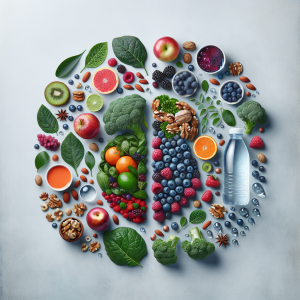 Have you ever found yourself feeling tired, forgetful, or just unable to focus no matter how hard you try? That fogginess in your mind—often called "brain fog"—can make it really hard to get through your day. The good news is that what you eat and drink has a big impact on how well your brain works. Just like a car can’t run without good fuel, your brain needs the right kind of nutrition and enough water to stay sharp, focused, and full of energy.
Your brain is one of the most hardworking parts of your body. It controls everything you do, from paying attention in class, remembering important facts, making decisions, to how you feel emotionally. To keep all this running smoothly, your brain needs important nutrients like vitamins, minerals, healthy fats, and plenty of water. When you don’t get enough of these, your brain can slow down, making it tough to think clearly or stay motivated.
In this lesson, we will explore the amazing connection between what you eat and drink and how your brain performs. You’ll learn about essential nutrients like magnesium, iron, omega-3 fatty acids, B vitamins, and the vital role water plays in your brain’s health. We will also talk about how the Mediterranean-style diet, known for its brain-boosting benefits, can help reduce brain fog and improve memory and focus.
But it’s not just about adding good foods; it’s equally important to avoid those that can make brain fog worse. Foods high in sugar, unhealthy fats, and ultra-processed ingredients can cause inflammation and disrupt how your brain works. Understanding which foods might be holding your brain back can help you make smarter choices every day.
We’ll also dive into how your gut and brain are connected, showing how caring for your digestion and gut bacteria can clear mental fog and lift your mood. Plus, practical tips for meal planning and hydration will guide you on how to keep your brain energized all day long without crashes or confusion.
By the end of this lesson, you’ll have the tools to improve your mental clarity, boost your focus and memory, increase your energy, and balance your mood. Whether you’re working, studying, or just going through daily tasks, good nutrition and hydration can help you feel sharper, more motivated, and ready to take on whatever the day brings.
Essential Nutrients for Cognitive Function
Our brain needs certain important nutrients to work its best. Just like a car needs fuel to run smoothly, your brain needs the right nutrients to keep you thinking clearly and feeling focused. When you don’t get enough of these nutrients, your brain can feel foggy, making it hard to remember things, concentrate on tasks, or stay motivated. Let’s explore some of these essential nutrients and see how they help your brain.
Magnesium: The Brain’s Helper for Calm and Energy
Magnesium is a mineral that plays a big role in helping your brain work well. It helps create chemicals called neurotransmitters. One important neurotransmitter is called GABA, which helps your brain stay calm and reduces feelings of stress and anxiety. When magnesium is low, it can cause mood swings, trouble focusing, and brain fog—that fuzzy feeling where your thoughts aren’t clear.
Besides calming your brain, magnesium helps make energy. Think of energy in your body like the battery power that makes a toy work. Magnesium helps produce a molecule called ATP, which is like the battery that powers brain cells and muscles. Without enough magnesium, your brain’s energy supply can slow down, making you feel tired and less alert.
You can find magnesium in green leafy vegetables like spinach, nuts, seeds, and whole grains. Including these foods in your diet helps keep your magnesium levels steady, which supports your mood, focus, and energy.
Iron: Carrying Oxygen and Boosting Brain Chemicals
Iron is another mineral essential for brain health. Its main job is to carry oxygen in your blood to all parts of your body, including your brain. Imagine oxygen as the fresh air your brain needs to think clearly and work properly. Without enough iron, your brain might not get enough oxygen, which can cause brain fog, forgetfulness, and trouble concentrating.
Iron also helps make neurotransmitters like dopamine and serotonin. These brain chemicals affect your mood and how well you can think. Dopamine helps with motivation and focus, while serotonin helps keep you feeling happy and calm. When iron is low, your brain can’t make enough of these chemicals, which might lead to feeling tired, sad, or confused.
Good sources of iron include meats like chicken and beef, beans, lentils, spinach, and fortified cereals. Eating these foods helps deliver oxygen to your brain and supports healthy brain communication.
Omega-3 Fatty Acids: Building Blocks for Brain Cells
Omega-3 fatty acids are special fats that your brain loves. They help build the structure of brain cells and make sure these cells communicate well with each other. Think of omega-3s as the bricks and mortar that keep your brain’s “houses” strong and connected.
Two important types of omega-3s are DHA (docosahexaenoic acid) and EPA (eicosapentaenoic acid). DHA is especially important because it makes up a large part of the brain’s grey matter, the area responsible for thinking, memory, and decision-making. These fats also help improve blood flow to the brain and reduce inflammation, which can protect your brain from damage.
Studies show that people with good levels of omega-3s tend to have better memory, learning skills, and overall brain function. When omega-3 levels are low, some brain vitamins like B vitamins don’t work as well, meaning your brain might not get the full benefit from these nutrients.
You can get omega-3s from fish like salmon, tuna, and sardines, or from supplements if you don’t eat much fish. Plant sources like flaxseeds and walnuts also have omega-3s, but your body needs to change them a bit before it can use them, so fish sources are usually better for brain health.
B Vitamins: Team Players for Brain Energy and Focus
B vitamins are a group of vitamins that work together to keep your brain sharp and full of energy. They help your brain cells create energy and make important brain chemicals. Some of the key B vitamins include B6, B12, and folic acid.
Vitamin B12, for example, helps protect your nerves and supports memory and thinking skills. Folic acid is important for making new brain cells and helps reduce levels of a harmful chemical called homocysteine, which, when too high, can hurt brain cells and lead to cognitive problems.
B vitamins also play a role in reducing stress and improving mood, which helps your brain stay balanced and focused. When you don’t get enough B vitamins, you might feel tired, forgetful, or have trouble concentrating.
You can find B vitamins in foods like meat, eggs, dairy, leafy greens, beans, and fortified cereals. Sometimes, older adults or people with certain health conditions might need supplements to get enough B vitamins.
Water: The Brain's Natural Transport and Cooler
Water might not seem like a nutrient, but it’s essential for your brain to function well. Your brain cells send electrical signals to each other, and these signals need the right balance of minerals like sodium and potassium. Water helps keep this balance steady.
When you don’t drink enough water, your body loses these minerals, which can slow down your brain’s electrical signals. This can make you feel tired, confused, and less able to think clearly. Just like a dry plant wilts, a dehydrated brain doesn’t work as well.
Drinking water throughout the day helps your brain stay hydrated, boosts your focus, and keeps your memory sharp. Try to drink water regularly, especially if you’re active or live in a hot climate.
How These Nutrients Work Together
These nutrients don’t work alone; they team up to keep your brain healthy. For example, omega-3 fatty acids help B vitamins do their job better. Studies show that people with good omega-3 levels get more benefit from taking B vitamins to protect their memory and thinking skills over time.
Also, iron helps carry oxygen, which your brain needs to use other nutrients for energy and brain cell growth. Magnesium supports brain chemicals that keep you calm, while B vitamins help reduce stress and keep your mood steady. Water is the carrier that keeps everything moving smoothly inside your brain.
Think of your brain as a busy city where different workers have special jobs. Nutrients like magnesium, iron, omega-3s, and B vitamins are the workers who keep the city running. Without enough workers or without the right tools, the city slows down and things don’t work well.
Examples of Foods Rich in Brain-Boosting Nutrients
- Magnesium: Spinach, almonds, pumpkin seeds, black beans, whole grains
- Iron: Lean beef, chicken, lentils, spinach, fortified cereals
- Omega-3 Fatty Acids: Salmon, mackerel, sardines, walnuts, flaxseeds
- B Vitamins: Eggs, turkey, dairy products, chickpeas, fortified bread and cereals
- Water: Plain water, herbal teas, water-rich fruits like watermelon and cucumber
Including a variety of these foods in your diet every day helps your brain get the nutrients it needs to fight brain fog and stay sharp.
Final Tips to Keep Your Brain Powered
Eating foods rich in these essential nutrients regularly is a smart way to keep your brain healthy. Try to:
- Eat plenty of green leafy vegetables and nuts for magnesium.
- Include iron-rich foods like beans and lean meats in your meals.
- Enjoy fish or omega-3 supplements a few times a week.
- Choose whole grains and fortified foods for B vitamins.
- Drink water often throughout the day to stay hydrated.
By making these choices, you’re giving your brain the power it needs to improve your focus, memory, mood, and energy—helping you move through your day with a clearer mind and better brain health.
The Mediterranean-Style Diet and Brain Fog
Brain fog can feel like your mind is stuck in thick clouds. It makes concentrating, remembering things, and making decisions harder. Many people look for ways to clear their brain fog and feel sharper. One helpful way is by changing what you eat. The Mediterranean-style diet is a way of eating that many studies show can help your brain work better and may reduce brain fog. Let’s explore how this diet can support clearer thinking and better brain health.
The Mediterranean diet is based on the foods people traditionally eat in countries near the Mediterranean Sea. It focuses on eating lots of fruits, vegetables, whole grains, nuts, seeds, beans, fish, and healthy fats like olive oil. It limits red meat, sugary foods, and processed foods. This diet is not just about food—it also includes enjoying meals with family and friends, which can help reduce stress and make meals more enjoyable.
How the Mediterranean Diet Helps Your Brain Clear the Fog
The brain needs good fuel to work well, just like a car needs quality gas. The Mediterranean diet provides fuel that helps your brain stay sharp and reduces the feelings of fogginess. Here’s how:
- Reduces Inflammation: Sometimes, brain fog happens because the brain is inflamed, like a swollen or irritated part of your body. The Mediterranean diet is full of natural antioxidants found in fruits, vegetables, nuts, and olive oil. Antioxidants help protect the brain by calming down inflammation, like putting out small fires in your brain cells.
- Protects Brain Cells: The diet includes omega-3 fatty acids, especially from fish like salmon and sardines. These healthy fats are like building blocks for brain cells. They keep the cells strong and flexible, which helps your brain send messages smoothly, making it easier to think clearly.
- Supports Blood Flow: Good blood flow brings oxygen and nutrients to your brain. The Mediterranean diet helps keep your heart and blood vessels healthy, so your brain gets enough oxygen. When blood flow is smooth, your brain works better and you feel less foggy.
- Balances Blood Sugar: Eating whole grains and avoiding too much sugar helps keep your blood sugar steady. Big swings in blood sugar can make you feel tired, fuzzy, or forgetful. This diet’s steady energy release helps you stay alert and focused all day long.
- Feeds the Good Gut Bacteria: Your gut and brain talk to each other through what’s called the gut-brain axis. The Mediterranean diet includes lots of fiber from fruits, veggies, and whole grains that feed good bacteria in your gut. Healthy gut bacteria produce chemicals that support brain health and may reduce brain fog.
Key Foods in the Mediterranean Diet That Brighten Your Mind
Some foods in this diet are especially good for clearing brain fog. Here’s a look at what makes them special:
- Olive Oil: This is the main fat used in the Mediterranean diet. Olive oil has antioxidants and healthy fats that protect brain cells and reduce brain inflammation. It’s like a shield that keeps your brain safe from damage.
- Fish: Fatty fish like salmon, mackerel, and tuna are rich in omega-3 fatty acids. These fats help build brain cell membranes and support connections between cells. Eating fish several times a week can help your memory and thinking skills.
- Fruits and Vegetables: Colorful fruits and veggies are packed with vitamins, minerals, and plant compounds called polyphenols. These act like tiny superheroes fighting off harmful molecules called free radicals that can fog up your brain.
- Nuts and Seeds: Almonds, walnuts, flaxseeds, and chia seeds contain healthy fats and antioxidants that nourish your brain and help reduce tiredness and confusion.
- Whole Grains: Foods like brown rice, oats, and whole wheat bread release energy slowly. This steady energy supports your brain’s power all day without crashes that can cause foggy thinking.
- Legumes: Beans, lentils, and chickpeas provide fiber and protein. They help maintain steady blood sugar and keep your brain fueled.
How the Mediterranean Diet Works Over Time to Improve Brain Clarity
Eating the Mediterranean diet is not a quick fix but a lifestyle choice that helps your brain over weeks and months. Research shows that people who follow this way of eating regularly have a lower risk of memory problems, thinking difficulties, and conditions like dementia.
One way to understand this is to think about a garden. If you water and take care of it often, the plants grow strong and healthy. But if you forget to water it or give it bad soil, the plants wilt. Your brain is like that garden. The Mediterranean diet provides the good "soil" and "water" your brain needs to stay healthy and clear.
Studies show that people who stick closely to this diet have better memory and focus, and they experience less brain fog. This effect comes from the combined power of many nutrients working together. It’s not just one food but the whole way of eating that helps.
Beyond Food: How Lifestyle Habits in the Mediterranean Culture Help Brain Fog
The Mediterranean diet is part of a bigger lifestyle that helps your brain in many ways:
- Sharing Meals: Eating together with family or friends can reduce stress and improve mood. When you feel happy and calm, it’s easier to think clearly.
- Being Active: People in Mediterranean countries often stay physically active. Exercise improves blood flow, including to the brain, and helps clear out mental fog.
- Taking Time to Relax: Mediterranean life encourages resting and enjoying life. Less stress means less brain fog because stress can cloud your thinking.
Simple Tips to Start Using the Mediterranean Diet to Fight Brain Fog
Here are some easy ways you can bring the Mediterranean diet into your daily life to help clear brain fog:
- Use olive oil instead of butter or other fats when cooking or making salads.
- Eat fish like salmon or sardines at least twice a week. If you don’t eat fish, nuts like walnuts are a good alternative.
- Fill half your plate with colorful vegetables and fruits at every meal.
- Choose whole-grain bread, pasta, and rice instead of white or processed versions.
- Snack on nuts or fresh fruit instead of chips or candy.
- Enjoy meals with family or friends whenever you can.
- Try to move your body daily, even if it’s a short walk.
By making these small changes, you can help your brain get the nutrients and support it needs to reduce brain fog and improve how you think and feel every day.
Foods That May Worsen Brain Fog
Brain fog can make it hard to think clearly, remember things, or focus on tasks. What you eat plays a big role in how well your brain works. Some foods can make brain fog worse by causing problems inside your brain and body. In this section, we will explore different kinds of foods that may make brain fog stronger and explain why they affect your brain. Understanding these foods can help you make better choices to feel clearer and sharper every day.
Not all foods are bad for your brain, but certain types can cause trouble when eaten too often or in large amounts. These foods often contain ingredients that harm brain cells, cause inflammation, or upset the balance of chemicals your brain needs to work well. Let’s look closely at these foods and learn why they might cloud your thinking.
Ultra-Processed Foods and Their Impact on Brain Health
Ultra-processed foods are packed with ingredients that are made in factories and are very different from natural foods. These include items like cookies, chips, frozen meals, fast food, flavored yogurts, packaged breads with many additives, and sugary drinks like soda. Even though some of these foods might taste good or seem convenient, they are often low in nutrients and high in things like sugar, unhealthy fats, and salt.
Scientists have found that eating a lot of ultra-processed foods can speed up how fast your brain loses its sharpness. In studies, people who ate more of these foods had more trouble with memory and thinking skills over time compared to those who ate less. For example, after several years, people eating the most ultra-processed foods showed about 25 to 28% faster decline in brain functions like memory and problem-solving. This means their brains didn’t work as well as those who ate fewer ultra-processed foods.
One way ultra-processed foods might hurt the brain is by causing inflammation. Inflammation is like when your brain gets irritated and swollen, making it harder for brain cells to send messages. These foods also often contain additives and artificial chemicals that may interfere with how brain cells grow and communicate.
Because ultra-processed foods are often high in sugar and unhealthy fats, they can also lead to other health issues like heart disease and diabetes. These diseases are known to raise the risk of brain problems and dementia, which is a severe loss of memory and thinking skills.
Sugary Foods and Drinks That Cloud the Mind
Sugar gives your body quick energy, but too much of it can harm your brain. Sugary foods and drinks include candy, soda, sweetened cereals, pastries, and many desserts. When you eat a lot of sugar, it can cause spikes in blood sugar levels. This is when sugar rises very high and then crashes quickly, leaving you feeling tired and foggy.
High sugar intake has been linked to memory problems and less flexibility in the hippocampus, which is the part of your brain that helps you form new memories. Over time, eating too much sugar can make it harder to remember things and focus on tasks. Scientists have even found that people who eat a lot of sugary junk food may experience faster brain aging.
Besides memory and thinking, too much sugar can create inflammation in the brain. This inflammation acts like a cloud blocking your brain’s ability to work smoothly. It’s like trying to think clearly while your brain is stuck in a foggy room.
Refined Carbohydrates and Their Hidden Effects
Refined carbohydrates are found in foods made from white flour and white rice. Examples include white bread, white pasta, many store-bought snacks, and some breakfast cereals. These carbs break down quickly into sugar inside your body, causing the same quick rise and fall in blood sugar that sugary foods do.
Because these foods raise blood sugar fast, they can cause brain fog by making you feel tired and less focused after the initial energy boost fades away. Studies show that frequent eating of refined carbs can increase the risk of memory problems and may contribute to the development of Alzheimer’s disease, especially in people who have certain risk factors.
Choosing whole-grain versions of bread, rice, and pasta can help because they break down more slowly and provide a steadier source of energy for your brain. This helps keep your thinking clear and your mind focused for longer periods.
Unhealthy Fats: Trans Fats and Industrial Seed Oils
Not all fats are bad, but some types of fats can harm your brain. Trans fats are a kind of unhealthy fat found in many processed foods like margarine, frosting, doughnuts, and packaged snacks. These fats can cause inflammation and damage to your brain cells.
Industrial seed oils, such as those made from soybeans, corn, cottonseed, sunflower, and safflower seeds, are also concerning when eaten in high amounts. These oils contain a lot of omega-6 fatty acids. While omega-6 fats are necessary in small amounts, too much can trigger the brain and body to produce chemicals that cause inflammation.
Inflammation caused by these fats can slow down how well your brain works. It’s like trying to run a race with sore muscles; your brain doesn’t perform its best when it’s inflamed. For cooking, healthier options like olive oil, coconut oil, or avocado oil are better choices because they help keep inflammation low.
Excessive Alcohol and Its Effects on Mental Clarity
Alcohol in small amounts might not harm your brain, but drinking too much can worsen brain fog. When you drink heavily, alcohol affects the chemicals in your brain that help you think and remember. It can also disturb your sleep, which is important for brain health.
Over time, heavy alcohol use can shrink parts of the brain and make it harder to focus or remember things. It’s like the brain’s wiring gets a little damaged. For people trying to clear brain fog and improve mental sharpness, limiting alcohol is important.
Artificial Ingredients and Additives
Many processed foods contain artificial flavors, colors, preservatives, and sweeteners. These ingredients are made to enhance taste and shelf life but may have unwanted effects on your brain. Some people find that additives like artificial sweeteners or certain preservatives can make thinking feel slower or cause headaches.
Although research is still ongoing, it’s a good idea to limit foods with many unknown or long chemical names on the label. Eating fresh, whole foods reduces the chance of consuming these additives and supports clearer thinking.
How These Foods Affect Brain Function
All the foods we talked about can affect your brain in different ways, but they share some common problems:
- Inflammation: Many of these foods cause the brain to become inflamed, which slows down thinking and memory.
- Blood Sugar Spikes: Foods high in sugar and refined carbs cause ups and downs in blood sugar, which make concentration and energy levels drop.
- Nutrient Deficiency Risk: Eating mostly unhealthy foods means you might miss out on important vitamins and minerals your brain needs.
- Toxin Build-Up: Additives and some fats can introduce chemicals that are toxic to brain cells, causing damage over time.
When your brain is inflamed, tired, or missing nutrients, it’s harder to stay focused, remember things, and think clearly. This is why cutting back on these foods can help reduce brain fog and improve mental clarity.
Practical Tips to Avoid Brain Fog Foods
Here are some simple ways to reduce the foods that may worsen brain fog:
- Read Labels: Look for ultra-processed foods with long ingredient lists full of unfamiliar names and additives.
- Choose Whole Foods: Pick fresh fruits, vegetables, whole grains, nuts, and lean proteins instead of packaged snacks.
- Limit Sugary Drinks: Replace sodas and sweetened juices with water or herbal teas.
- Cook at Home: Preparing meals lets you control what goes into your food and avoid added sugars and unhealthy fats.
- Use Healthy Oils: When cooking, use olive or avocado oil instead of industrial seed oils.
- Watch Portion Sizes: Even when eating less healthy foods, keeping portions small helps reduce negative effects on the brain.
Making these changes step-by-step can improve your brain health and help fight brain fog over time.
Hydration and Its Cognitive Benefits
Water is an amazing and simple substance that our brains need to work well every day. Imagine your brain is like a busy city, with lots of cars moving around delivering messages, building new things, and keeping everything running smoothly. Water acts like the roads and highways in this city. If the roads get clogged, broken, or dry, the cars can’t move properly. This makes the whole city slow and confused. In the same way, when your brain doesn’t have enough water, it starts to slow down, and you feel tired, forgetful, or foggy.
Our brain is mostly made of water — about 73 to 75 percent! This means it depends on water more than almost anything else to keep working well. When you don’t drink enough water, even if it’s just a little less than what your body needs, it can affect how well your brain thinks and remembers. This is called dehydration.
Even losing just 1-2% of your body’s water can make a big difference. For example, if you weigh 150 pounds, losing less than 3 pounds of water (which can happen if you don’t drink enough during a busy or hot day) might make your brain work harder but less efficiently. You might feel tired, have trouble focusing on your homework or a game, or forget simple things like where you left your backpack.
Let's think of dehydration like trying to use a smartphone on low battery. When the battery is full, the phone works quickly, apps open fast, and everything runs smoothly. But when the battery gets low, the phone becomes slow, apps take longer to load, and sometimes it may even shut down unexpectedly. In the same way, when your brain is not “charged” with enough water, your thinking becomes slow and fuzzy.
How Water Keeps Your Brain Sharp
Water helps the brain in many important ways. Here’s how:
- Moving Nutrients and Oxygen: Water is like the delivery trucks that bring food and oxygen to brain cells. Without enough water, these trucks can’t reach the brain cells, and they can’t do their jobs well.
- Keeping the Brain Cool: The brain gets warm when it works hard. Water helps regulate your body temperature, like a cooling system in a car. If you’re dehydrated, your brain can get overheated, which makes it harder to think clearly.
- Making Brain Chemicals: Your brain needs water to create hormones and chemicals called neurotransmitters. These are like the messengers that send signals between brain cells. If there isn’t enough water, these messengers don’t work well, making it harder to focus or remember things.
Because of these roles, when you don’t drink enough water, your brain has to work harder to do the same tasks. Scientists using brain scans have actually seen the brain shrink a tiny bit during dehydration. Even though it’s a small change, it makes it more difficult for the brain to stay on top of things. This extra effort can make you feel mentally tired or confused, which is often called “brain fog.”
Signs That Your Brain Needs More Water
You might not always feel thirsty when your brain is low on water. That’s why some people don’t realize they are dehydrated. But there are signs to watch out for that show your brain needs more water:
- Difficulty Concentrating: If you find it hard to pay attention to what you’re reading or listening to, it might be because your brain is thirsty.
- Memory Problems: Forgetting things like what you just read, or where you put your things, can be a sign of dehydration.
- Feeling Tired or Sluggish: Dehydration can make your brain feel heavy and slow, like wading through mud.
- Headaches or Dizziness: Mild dehydration may cause headaches or make you feel a little dizzy when you stand up.
- Mood Changes: Sometimes dehydration can affect your mood, making you feel cranky or less motivated.
It’s important to remember that these signs can happen before you even feel thirsty. Thirst is like a late alert, so it’s better to drink water regularly throughout the day rather than waiting until you feel thirsty.
How Drinking Water Helps You Think Better
Many studies show that when people drink enough water, their cognitive skills improve. This means that things like paying attention, solving problems, remembering facts, and switching between tasks get easier. For example, kids who drink water regularly at school can focus better during lessons and do multiple things at once more quickly. Adults who stay hydrated tend to have clearer thoughts and can finish tasks faster with fewer mistakes.
Let’s imagine your brain is like a computer. When your computer has enough power and memory, it opens programs quickly and runs smoothly. But if it’s low on power or memory, it freezes or crashes. Drinking water keeps your brain’s "power" up, so your mental "programs" run without problems.
Hydration also helps your brain manage stress better. When you are dehydrated, your body produces more stress hormones, such as cortisol. These hormones can make it harder to remember things and concentrate. Drinking enough water lowers this stress and helps your brain stay calm and focused.
How Much Water Should You Drink?
Experts suggest drinking about 8 glasses of water a day, which is around 2 liters. But this can change depending on your size, how active you are, and the weather. If you play outside on a hot day or exercise a lot, you need even more water to replace what you lose through sweat.
Food can also help keep you hydrated. Fruits and vegetables like watermelon, oranges, cucumbers, and lettuce have a lot of water in them—sometimes more than 80% water. Eating these foods helps your brain stay hydrated too.
If plain water feels boring, you can add natural flavors like slices of lemon, cucumber, or mint leaves. This makes drinking water tastier and more fun, helping you drink more throughout the day.
Electrolytes: Water’s Helpers for the Brain
Water alone isn’t the only thing your brain needs. It also needs special minerals called electrolytes. These include sodium, potassium, and magnesium. Think of electrolytes as the helpers that keep the brain’s electrical signals moving properly. Without enough electrolytes, your brain cells can’t send messages well, and you can feel tired or confused.
When you sweat a lot or get sick with vomiting or diarrhea, you lose both water and electrolytes. This can make brain fog worse. Drinking drinks with electrolytes, or eating foods rich in them like bananas, nuts, and yogurt, helps keep your brain firing on all cylinders.
How to Keep Your Brain Hydrated Every Day
Keeping your brain hydrated is one of the simplest and most effective ways to improve how you think and feel. Here are some tips to help you stay hydrated and enjoy better brain power:
- Carry a water bottle with you during the day so you remember to drink often.
- Drink a glass of water first thing in the morning to start your brain fresh.
- Have water before, during, and after physical activities like sports or exercise.
- Eat fruits and vegetables rich in water to add to your daily intake.
- Limit sugary and caffeinated drinks, as they can sometimes make you lose more water.
- Use natural flavors to make drinking water more enjoyable.
By making these habits part of your daily routine, your brain will get the water it needs to help you stay clear-headed, focused, and ready to learn or work hard.
Supplements: Benefits and Precautions
Many people wonder if taking supplements can help clear up brain fog and improve how well their brain works. Supplements are extra vitamins, minerals, herbs, or other substances that you can take as pills, powders, or drinks. Some supplements might help the brain, but it's important to understand both their benefits and the risks before starting them.
Brain fog can feel like your thoughts are cloudy, your memory is weak, or you can't focus well. Sometimes, brain fog happens because the brain is missing some nutrients it needs to work well. This is where supplements might come in. But not all supplements are the same, and not all of them have strong proof that they help with brain fog.
Let's look closely at some supplements that have shown promise for brain fog, especially during times like menopause or when the brain is tired, and then discuss what you need to be careful about.
How Some Supplements Might Help Your Brain
1. Omega-3 Fatty Acids: These are special fats that your brain needs to stay healthy. They are found in fish like salmon and in some plants like walnuts. Taking omega-3 supplements has helped some people improve their memory and focus. For example, studies have shown that adults who didn't get enough omega-3 in their diet improved their memory after taking omega-3 supplements for a few months. These fats can also help with mood and reduce feelings of depression, which often make brain fog worse.
2. Magnesium: This is a mineral that helps your brain cells work properly. Magnesium also protects brain cells and reduces stress inside the brain by calming harmful chemical reactions. Some people find that magnesium helps them feel less anxious and more able to think clearly. It can also help keep the “blood-brain barrier” strong, which is like a shield that protects your brain from harmful substances.
3. B Vitamins: Vitamins like B6, B9 (folate), and B12 are important for brain health. They help your brain make chemicals that send messages between cells. If you don’t get enough B vitamins, your brain might not work as well, and you could feel more confused or forgetful. Taking a B complex supplement (which has all the B vitamins together) might help improve your memory and focus, especially if you have low B vitamin levels.
4. Ashwagandha: This is an herb that might help lower stress hormones like cortisol. High stress and changes in hormones during menopause can cause brain fog. Ashwagandha may help by calming the body and balancing hormones, which can make your mind clearer and more focused.
5. L-theanine: Found in green tea, L-theanine is an amino acid that helps your brain relax without making you sleepy. It may help increase alertness and improve attention. People who took L-theanine reported feeling less stressed and having better sleep, which is important because poor sleep can make brain fog worse.
6. Vitamin D: Known as the “sunshine vitamin,” vitamin D helps many parts of your body, including your brain. Some studies found that people with low vitamin D had more problems with memory and thinking. Taking vitamin D supplements might improve learning and memory, especially if you don’t get enough sunlight or vitamin D from food.
Important Precautions When Considering Supplements
Even though some supplements may help brain fog, it is very important to be careful when using them. Here are some key points to remember:
- Supplements are not medicines: Unlike drugs, supplements are not tested and approved by medical authorities like the FDA to treat brain fog or any other condition. This means they might not work the way you expect, and their safety is not always guaranteed.
- Quality and ingredients can vary: Since supplements are not strictly regulated, the amount and quality of the active ingredient might be different from what the label says. Some products might even have harmful ingredients or contaminants like heavy metals.
- Possible side effects: Supplements can cause side effects such as nausea, headaches, stomach upset, or more serious problems if taken in large amounts or combined with other medicines.
- Interactions with medications: Some supplements can interact with prescription or over-the-counter drugs, which might cause harmful effects or reduce how well your medications work. For example, certain herbs can make blood thinners less effective or increase bleeding risk.
- Not all supplements have strong proof: Some popular supplements like ginkgo biloba have not been shown to help with brain fog or prevent memory loss in reliable large studies. It’s best to be cautious and not spend money on supplements that are not backed by good science.
- Consult your healthcare provider: Always talk to your doctor, pharmacist, or a qualified health expert before starting any supplement. This is especially important if you have health conditions, are pregnant, nursing, or taking other medicines.
Why Lifestyle Still Matters Most for Brain Health
While supplements can sometimes help, they are not magic pills that will fix brain fog on their own. Eating a balanced diet, staying hydrated, getting enough sleep, exercising regularly, and managing stress are all very important for keeping your brain clear and sharp.
Think of supplements like adding a little extra fuel to a car that needs it. If the car’s engine isn’t working well because of missing oil, the fuel helps. But if the engine is broken or dirty, just adding fuel won’t make it run perfectly. Similarly, supplements might help if your brain is missing some nutrients, but they don’t replace healthy habits.
Common Questions About Brain Supplements
- Can I take multiple supplements at once? It’s best to be cautious about taking many supplements together. Sometimes, they can interact with each other or cause side effects. Your healthcare provider can help you decide which ones are safe to combine.
- How long do supplements take to work? Supplements usually do not provide instant results. It may take weeks or months of consistent use to notice any improvement in brain fog symptoms.
- Are natural supplements safer? Natural doesn’t always mean safe. Herbs and natural products can still cause side effects or interact badly with medicines. Always check with a healthcare provider.
Summary of Safe Use Tips
- Buy supplements from trusted brands with good reviews.
- Follow the recommended doses on the label or as your doctor advises.
- Stop taking a supplement if you experience any side effects and tell your doctor.
- Keep a list of all supplements and medicines you take and share it with your healthcare provider.
- Remember that supplements are only one part of improving brain health, alongside good nutrition, hydration, exercise, and sleep.
Gut-Brain Connection and Mental Clarity
Imagine your brain and your stomach are like two good friends who are always chatting with each other. This chat happens through what scientists call the "gut-brain axis." It's a special pathway that lets your brain and gut send signals back and forth. This connection is very important because it helps control how your body feels, thinks, and even handles stress.
Your gut is sometimes called your “second brain” because it has a huge number of nerve cells and bacteria that help keep your body working well. These bacteria, called the gut microbiome, are tiny living creatures that live in your digestive system. They don’t just help break down food—they also make chemicals that can affect your brain. For example, some gut bacteria produce serotonin, a chemical that helps regulate mood and make you feel happy.
When your gut is healthy, it sends good signals to your brain. This makes it easier for you to think clearly and remember things. But if your gut is not healthy, it can send confusing or bad signals, which might make you feel tired, forgetful, or like your brain is in a fog. This is what we call “brain fog.” It can make simple tasks like focusing on homework or remembering names much harder.
One way the gut and brain talk to each other is through the vagus nerve, which is like a super-fast telephone line running from your gut to your brain. When your gut feels stressed or inflamed, it can send signals through this nerve that affect how your brain works. Inflammation is the body's way of fighting things that aren't right, but when it happens in your gut for a long time, it can cause problems for your brain too.
Think of inflammation like a small fire inside your body. If it’s small and goes away quickly, it’s okay. But if it keeps burning for a long time, it can cause damage. This long-lasting fire in the gut can make it harder for your brain to work at its best. It can cause memory problems, trouble focusing, and feeling tired all the time.
Many people with gut problems, like Irritable Bowel Syndrome (IBS) or celiac disease, often notice they have brain fog. These conditions can upset the balance of bacteria in the gut and cause inflammation. When the good bacteria decrease and bad bacteria take over, it’s called “gut dysbiosis.” Dysbiosis can make your gut send even more bad signals to your brain, which harms your mental clarity.
Scientists have found that the state of your gut bacteria can affect how fast your brain processes information and how well you remember things. In studies, people who took probiotics—these are supplements or foods with good bacteria—showed improvements in memory and mood. Probiotics can help restore a healthy balance in your gut, which in turn can clear away some of that brain fog.
Besides probiotics, prebiotics are also important. Prebiotics are special fibers in foods like fruits, vegetables, nuts, and whole grains. These fibers feed the good bacteria in your gut, helping them grow and stay strong. When good bacteria thrive, they make more helpful chemicals that support your brain’s health.
It’s also interesting how your thoughts and emotions can affect your gut. When you are stressed or anxious, your brain sends signals to your gut that can cause stomachaches, cramps, or bloating. This shows the gut-brain connection works both ways. Learning to handle stress can help your gut feel better, which then helps your brain stay sharp.
Practicing relaxation techniques like deep breathing or mindfulness can calm your brain and help your gut work better. When your gut is calm, it can send clearer, healthier messages to your brain. This can help reduce brain fog and improve focus and mood.
Eating certain foods can make a big difference in this gut-brain relationship. For example, high-fiber foods feed your good bacteria and help reduce inflammation. Foods rich in omega-3 fatty acids—like oily fish—support healthy brain function and also help keep your gut bacteria balanced. Fermented foods such as yogurt, kefir, and sauerkraut contain natural probiotics that add more helpful bacteria to your digestive system.
Polyphenol-rich foods, such as green tea, cocoa, and berries, also support good gut bacteria and may improve brain health. These foods act like tiny helpers that feed your gut microbes and protect them from harmful germs. When your gut microbes are healthy, they produce more brain-friendly chemicals.
Another important food nutrient is tryptophan, an amino acid found in turkey, eggs, and cheese. Tryptophan is turned into serotonin in your body, which helps you feel calm and focused. If your gut is healthy, it can help your body make more serotonin and keep your mood balanced.
In summary, your gut and brain are connected through a busy communication highway. A healthy gut with balanced bacteria keeps this highway clear and busy with good messages, helping your brain stay sharp and alert. When the gut is unhealthy, that highway gets blocked, and confusing signals cause brain fog, forgetfulness, and trouble concentrating.
Improving your gut health with the right foods, managing stress, and taking care of your digestion can clear this fog. This helps your brain work better, making it easier to focus, remember things, and feel more energetic throughout the day.
Remember, taking care of your gut is one of the best ways to take care of your brain. It’s like watering a garden: when you nourish the soil (your gut), the flowers (your brain) can bloom fully and brightly.
Meal Planning for Sustained Energy
When you have brain fog, it can feel like your mind is slow or fuzzy, and you might get tired easily. One of the best ways to fight brain fog and keep your brain working well is by planning your meals to give you steady, lasting energy all day long. This means choosing the right foods, eating at the right times, and balancing your meals so your brain and body can stay sharp and focused.
Imagine your brain is like a car engine. It needs fuel to run smoothly. If you put in bad fuel or run out of fuel, the engine sputters and slows down. The same happens with your brain if it doesn’t get the right kind of food or enough energy throughout the day.
Here’s how meal planning can help you keep your “brain engine” running strong:
Understanding Steady Energy from Food
Your body turns food into energy. But not all foods give you energy the same way. Some foods give you a quick burst of energy that fades fast, like a sugar rush. This can make your brain feel foggy later when the energy crashes. Other foods release energy slowly and steadily, helping you feel alert and clear-headed for a longer time.
Foods with lots of fiber, protein, and healthy fats help give this steady energy. Fiber is like a slow-release button that lets sugar into your blood gradually, so your brain gets a constant supply of fuel. Protein helps repair your body and supports brain function. Healthy fats, like those found in nuts and fish, protect your brain cells and give lasting energy.
Key Meal Planning Tips for Brain Energy
- Eat Regularly: Avoid skipping meals. Eating every 3 to 4 hours helps keep your blood sugar level steady. This stops your brain from running low on energy and prevents that foggy feeling.
- Balance Your Plate: Each meal should have a mix of carbohydrates, protein, and fats. For example, brown rice (carbs), grilled chicken (protein), and avocado (fat) make a balanced meal that fuels your brain well.
- Include Fiber-Rich Foods: Whole grains like oatmeal, brown rice, and whole wheat bread are good choices. Vegetables and fruits also add fiber and important vitamins.
- Choose Healthy Fats: Foods like olive oil, nuts, seeds, and fatty fish such as salmon provide healthy fats that support brain function.
- Stay Hydrated with Meals: Drinking water is important when you eat. Proper hydration helps your brain work well, so include a glass of water with every meal.
Best Foods to Include in Your Meals for Lasting Energy
When you plan your meals, think about these brain-friendly foods that give you slow and steady energy to keep brain fog away:
- Whole Grains - Brown rice, oatmeal, whole wheat bread, and quinoa break down slowly in your body, giving your brain energy step-by-step instead of all at once.
- Lean Proteins - Chicken, turkey, eggs, beans, and tofu provide building blocks called amino acids. These help your brain stay alert and improve memory.
- Fatty Fish - Salmon, sardines, and mackerel are rich in omega-3 fatty acids. Omega-3s help keep brain cells healthy and reduce inflammation that can worsen brain fog.
- Vegetables and Fruits - Dark leafy greens (spinach, kale), berries (blueberries, strawberries), and citrus fruits give your brain vitamins and antioxidants that protect it from damage.
- Nuts and Seeds - Walnuts, almonds, chia seeds, and flaxseeds contain healthy fats and nutrients like vitamin E, which supports brain health.
For example, a lunch with grilled salmon, a quinoa salad with spinach and walnuts, and a side of berries can provide your brain with steady fuel and important nutrients.
How Breakfast Sets the Tone for Brain Energy
Breakfast is often called the most important meal because it “wakes up” your brain after a night of fasting. Eating a healthy breakfast helps you start the day with good energy and focus.
Skip sugary cereals or pastries that give energy fast but crash soon. Instead, choose breakfasts that mix protein, fiber, and healthy fats. Some good ideas include:
- Oatmeal topped with berries and a sprinkle of chia seeds
- Whole wheat toast with avocado and a boiled egg
- Greek yogurt with nuts and fresh fruit
These options help keep your blood sugar steady, so your brain stays clear and alert through the morning.
Planning Snacks to Avoid Energy Dips
Sometimes, after a few hours, your brain will need a little extra fuel to avoid that sluggish feeling. Healthy snacks can help, but it’s important to pick snacks that won’t cause a sugar crash.
Good snack choices include:
- A handful of nuts or seeds
- Fresh fruit like an apple or orange
- Carrot sticks with hummus
- Whole-grain crackers with cheese
These snacks have fiber, protein, or healthy fats to keep your brain energized without causing spikes and drops in energy.
The Role of Meal Timing and Routine
When you eat is as important as what you eat. Keeping a regular meal schedule helps your body and brain get used to receiving energy at predictable times. This routine supports consistent brain performance and helps you avoid feeling foggy or tired.
Try to eat meals and snacks around the same times each day. If you have a busy day, prepare meals ahead of time so you always have brain-friendly food ready. Meal prepping can include making overnight oats, cooking grains in bulk, or chopping vegetables for quick snacks.
How Hydration Supports Your Meal Plan
Drinking water is a key part of meal planning for brain energy. Dehydration can make your brain feel foggy and tired, even if you’re eating well.
Make water your main drink throughout the day, especially with meals and snacks. Avoid sugary drinks or too much caffeine, which can cause quick energy bursts but lead to crashes later.
Sometimes, adding a pinch of salt or drinking fluids like herbal tea or coconut water can help maintain important minerals called electrolytes. These keep your brain cells working properly and improve focus.
Examples of a Day’s Meal Plan for Steady Brain Energy
- Breakfast: Spinach and egg scramble with whole-grain toast and a side of raspberries
- Morning Snack: A small handful of walnuts and an apple
- Lunch: Grilled chicken breast with brown rice, steamed broccoli, and a drizzle of olive oil
- Afternoon Snack: Carrot sticks with hummus or a few pumpkin seeds
- Dinner: Baked salmon with quinoa, sautéed kale, and a citrus fruit salad
- Evening (optional): A small bowl of Greek yogurt with flaxseeds
Each meal and snack has a balance of slow-release carbs, protein, and healthy fats to keep your brain fueled all day. This helps reduce brain fog and increases your focus, memory, and energy.
Addressing Dietary Deficiencies
When we talk about brain fog, one of the important things to think about is how well your body is getting the nutrients it needs from food. Nutrients are like fuel and tools for your brain—they help it work right. Sometimes, people don’t eat enough or don’t get enough of certain nutrients, which can make brain fog worse. This means your brain might feel tired, confused, or forgetful because it’s not getting what it needs to function well. Understanding how to fix these gaps in your diet can help clear up brain fog and make your mind sharper.
Let’s start by thinking about what happens when your body doesn’t get enough nutrients. Imagine your brain is like a factory that needs materials to build products. If the supplies are missing or low, the factory slows down or makes mistakes. That’s what happens in your brain when you don’t have enough vitamins and minerals. You might find it harder to focus, remember things, or stay alert.
One common reason for not getting enough nutrients is eating too little food overall, which is called undereating. When you don’t eat enough, you miss out on important vitamins and minerals your brain needs. This can also cause feelings like anxiety and depression, which make brain fog worse. So, making sure you eat enough food, and the right kinds of food, is the first step to helping your brain.
It’s not just about eating a lot, but eating smart. Some nutrients are especially important for brain health and clearing brain fog. These include:
- Vitamin D: Helps your brain work well and can keep your mood steady. Not enough vitamin D might be linked to feeling down or foggy.
- Vitamin B12: Important for making brain cells and keeping memory sharp.
- Iron: Helps carry oxygen in your blood to your brain. Without enough iron, you might feel tired and have trouble thinking clearly.
- Omega-3 Fatty Acids: These healthy fats protect brain cells and help with memory and mood.
- Vitamin C: Supports brain functions like memory and focus by protecting cells from damage.
- Magnesium: Helps your brain handle stress and keeps your thinking sharp.
- Choline: Supports memory and learning by helping brain cells communicate well.
Now, imagine your body is like a garden. Each nutrient is like water, sunlight, or fertilizer that helps the plants (your brain cells) grow strong and healthy. Without enough of these, your brain garden can wilt and not work as well.
How do you know if you might have these nutrient gaps? Sometimes, it’s because of what you eat, but it could also be because of how your body uses nutrients. For example, some people don’t absorb vitamin B12 well from their food, especially as they get older. In other cases, not spending enough time outside in the sunlight can lower vitamin D levels. Eating too few foods rich in iron, like meat or spinach, can also cause a shortage.
To fix these gaps, it’s important to include a variety of foods that provide these vital nutrients every day. Here are some simple examples of foods that can help:
- Vitamin D: Fatty fish like salmon, eggs, and fortified milk or orange juice. Also, spending some time in sunlight helps your body make vitamin D naturally.
- Vitamin B12: Meat, fish, dairy products, and fortified cereals.
- Iron: Red meat, poultry, beans, lentils, spinach, and fortified cereals.
- Omega-3 Fatty Acids: Fatty fish such as salmon, mackerel, sardines, and plant sources like walnuts and flaxseeds.
- Vitamin C: Citrus fruits like oranges and grapefruits, strawberries, bell peppers, and broccoli.
- Magnesium: Nuts, seeds, whole grains, green leafy vegetables like spinach.
- Choline: Eggs, chicken, fish, and some beans and nuts.
In addition to focusing on the right foods, it is very important to eat enough calories for your body’s needs. Eating too little can make it hard to get enough nutrients, even if you choose healthy foods. For example, if you’re only eating a small meal or skipping meals, your brain might not get enough energy or vitamins to work well. This can make brain fog worse.
Sometimes people find it hard to eat enough because of stress, busy schedules, or health problems. If this happens, try to add small, nutrient-rich snacks throughout the day, like nuts, yogurt, or fruit. Drinking enough water also helps your brain work better because your brain needs water to stay awake and think clearly.
If you suspect you have low levels of some nutrients, it’s a good idea to visit a doctor or dietitian. They can check with simple tests and help figure out what you might be missing. Sometimes, taking a vitamin or mineral supplement can help fix a deficiency faster. But it’s best to get nutrients from food first because foods give your body many things that work together to keep you healthy.
It’s important to note that not all brain fog is caused by diet or nutrition. Other things like not sleeping enough, being very stressed, or certain health conditions can also cause brain fog. But making sure you don’t have nutrient deficiencies is a good start because it often helps improve focus, memory, and energy.
To summarize how to address dietary deficiencies for brain health:
- Eat enough food every day to fuel your body and brain.
- Include foods rich in key nutrients like vitamins D and B12, iron, omega-3 fats, vitamin C, magnesium, and choline.
- Try to eat a variety of colorful fruits and vegetables, whole grains, nuts, seeds, fish, and lean meats.
- Drink enough water to keep your brain hydrated and functioning well.
- See a healthcare professional if you think you might have a nutrient deficiency or if brain fog lasts a long time.
By paying attention to what you eat and making small changes to fill in the gaps in your diet, you can help your brain feel clearer, sharper, and more energized. This supports better focus, memory, mood, and motivation, which are all important when you want to feel your best and get things done.
Empowering Your Brain Through Nutrition and Hydration
Our journey through nutrition and hydration has shown just how powerful these simple things are for clearing away brain fog and boosting brain health. The brain, much like a busy city or a well-oiled machine, relies heavily on the right nutrients and enough water to work at its best. Essential nutrients like magnesium, iron, omega-3 fatty acids, and B vitamins act as hardworking helpers, building strong brain cells, carrying oxygen, and balancing chemicals that improve focus, memory, and mood.
Choosing the right foods matters a lot. Eating a Mediterranean-style diet filled with colorful fruits and vegetables, whole grains, nuts, healthy fats from olive oil and fish, and plenty of water creates a powerful shield for your brain, protecting it from inflammation and keeping it fueled steadily throughout the day. At the same time, avoiding foods that are ultra-processed, high in sugar, refined carbohydrates, and harmful fats helps reduce the harmful effects that make brain fog worse.
We’ve also seen that hydration is a key part of this picture. Water keeps your brain cells happy, helps move nutrients and oxygen where they need to go, cools your brain down, and supports important brain chemicals. Even small losses of water can slow down thinking, cause fatigue, and cloud your memory. Simple habits like drinking water regularly and eating water-rich fruits and veggies can make a big difference.
The connection between your gut and brain is another vital piece. A healthy gut with balanced bacteria sends clear and positive messages to your brain, helping reduce fogginess and improving your mood and memory. Feeding good gut bacteria with fiber, probiotics, and avoiding long-term gut inflammation supports mental clarity and emotional calmness.
Meal planning with balanced meals, proper timing, and snacks that sustain energy keeps your brain powered throughout the day. By focusing on steady-release foods instead of quick sugars, and pairing this with hydration, you can avoid the ups and downs that lead to confusion and tiredness.
Finally, while supplements can sometimes help fill gaps in your diet, they are no substitute for healthy eating, drinking enough water, getting restful sleep, managing stress, and staying active. Building these habits supports strong, clear, and energized brain function.
By understanding and applying these nutritional and hydration principles, you’re investing in your brain’s future. You’re setting yourself up to feel more focused, remember better, stay motivated, and be more productive. With consistent effort, your daily choices can help your brain shine brighter—helping you live with clearer thoughts, balanced moods, and sustained energy.
Lesson Audio: